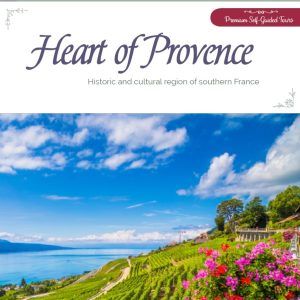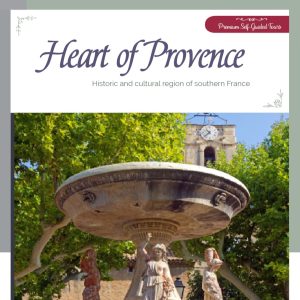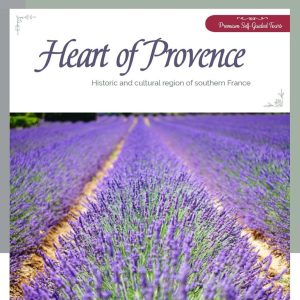


Occitanie and Provence feel different because of history and rhythm. Occitanie grew from medieval, local cultures, while Provence reflects Roman influence and tourism.
When people compare Occitanie vs Provence, it’s easy to assume they should feel similar. They’re both in southern France. They both get plenty of sunshine. They both offer beautiful villages, good food, and that slower southern rhythm people come to France for.
But spend time in each — really spend time — and the difference is unmistakable.
Provence tends to meet you right away. It’s expressive, visually familiar, and very comfortable welcoming visitors. Occitanie, on the other hand, doesn’t rush forward. It doesn’t perform. It takes a little time to get to know — and that’s exactly what many people end up loving about it.
That difference didn’t happen by accident. It’s rooted in history, landscape, and the way daily life has unfolded over centuries.
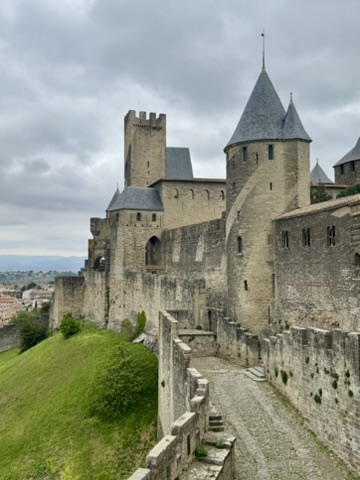
A Bit of History (Nothing Heavy, Just Helpful)
You don’t need to know dates or dynasties to feel the difference between Occitanie and Provence — but a little context goes a long way.
Occitanie: Shaped by the Middle Ages and Local Independence
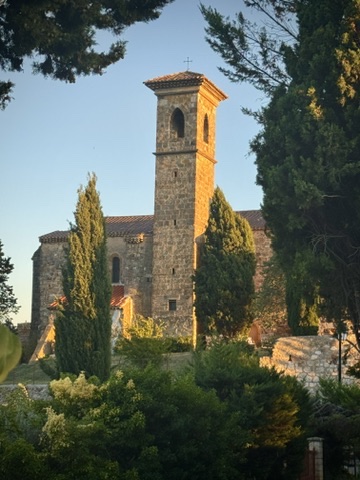
Occitanie developed for centuries as a patchwork of independent territories, strong local towns, and deeply rooted regional cultures. Long before France became the centralized country we know today, communities here were used to running their own affairs.

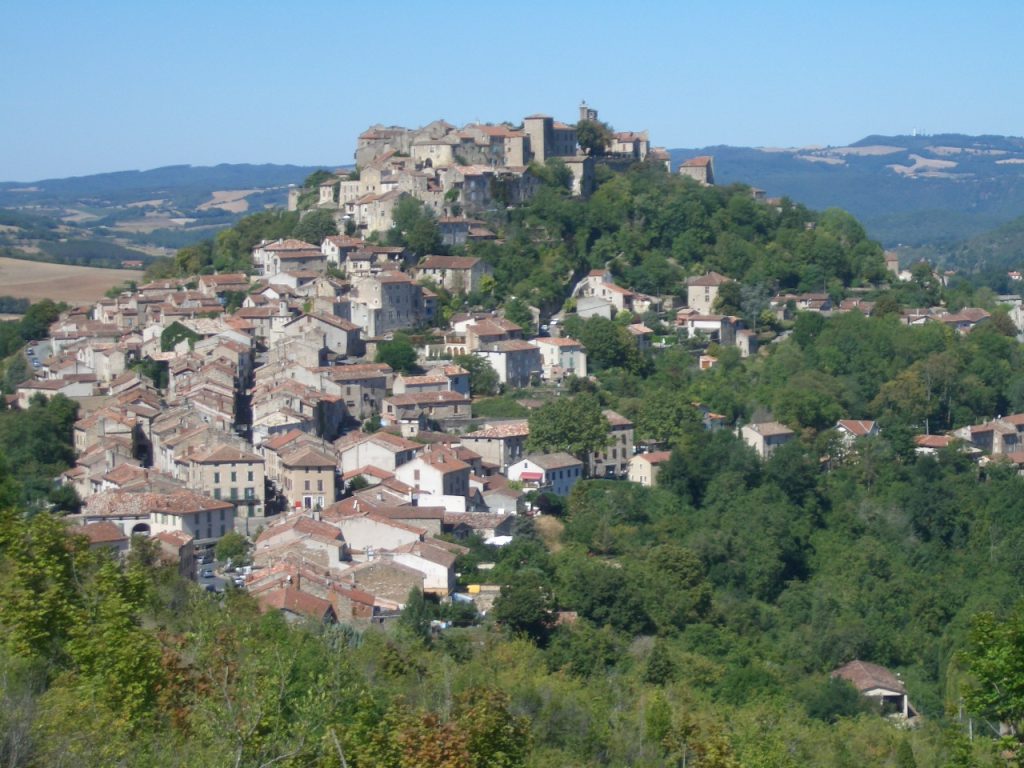
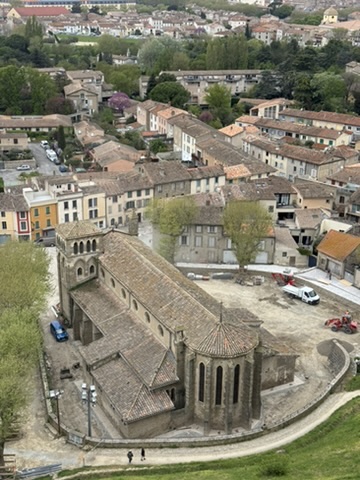
What that means is that villages grew organically. Streets twist and turn. Town centers feel practical rather than showy. Life was built around everyday needs, not presentation.
Even today, that history shows up in subtle ways. Occitanie often feels:
- More inward-looking
- Less polished, but more lived-in
- Focused on local life rather than visitor experience
It’s a region that doesn’t feel the need to explain itself — and that can be refreshing if you enjoy discovering places rather than being guided through them.
Provence: Roman Foundations and a Long History of Being Seen
Provence’s story unfolded very differently. Roman influence arrived early, bringing roads, infrastructure, and a sense of order that shaped how towns were laid out. Later, religious power — especially during the papal era — added another layer of authority and visibility.
Over time, Provence became accustomed to outside influence: traders, pilgrims, artists, and travelers. Towns developed open squares, grand façades, and a rhythm that naturally welcomed people from elsewhere.
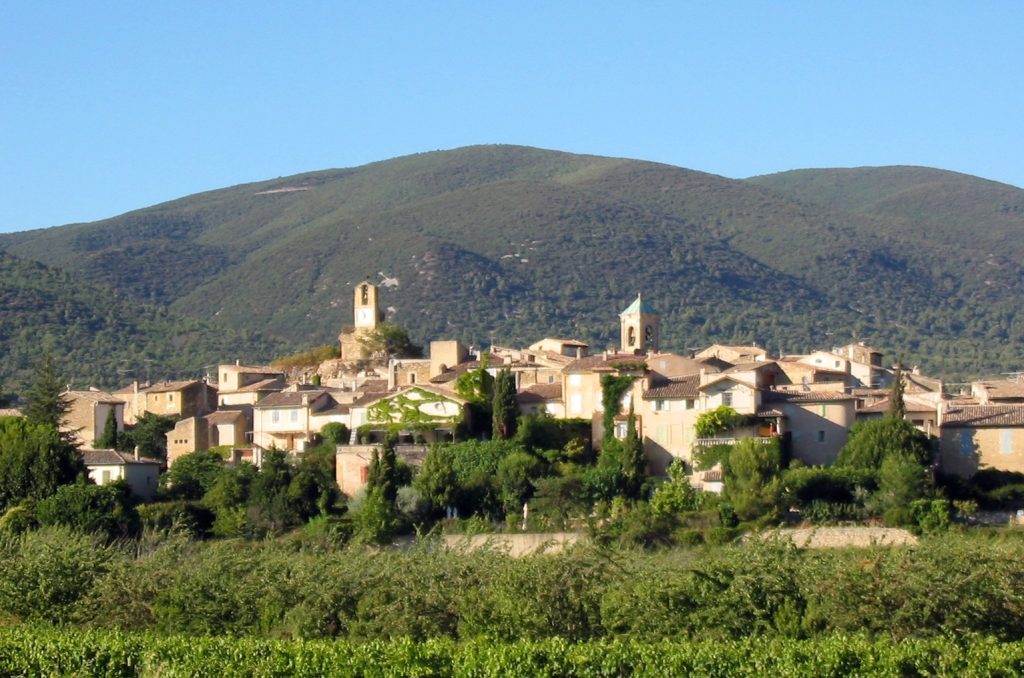
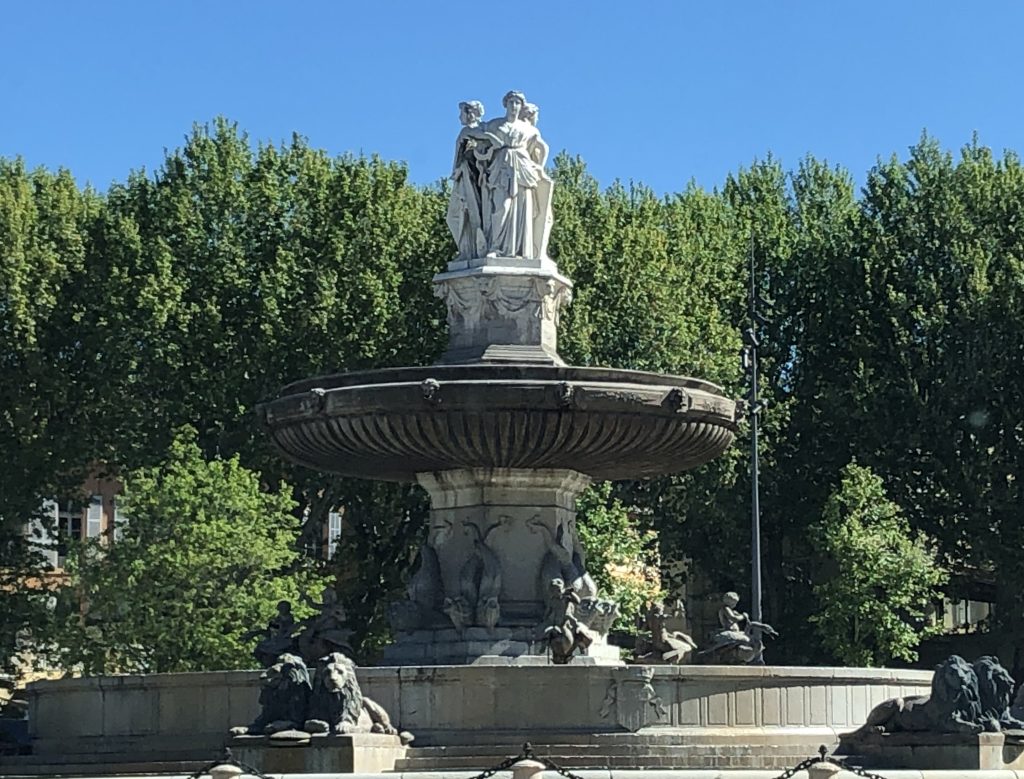
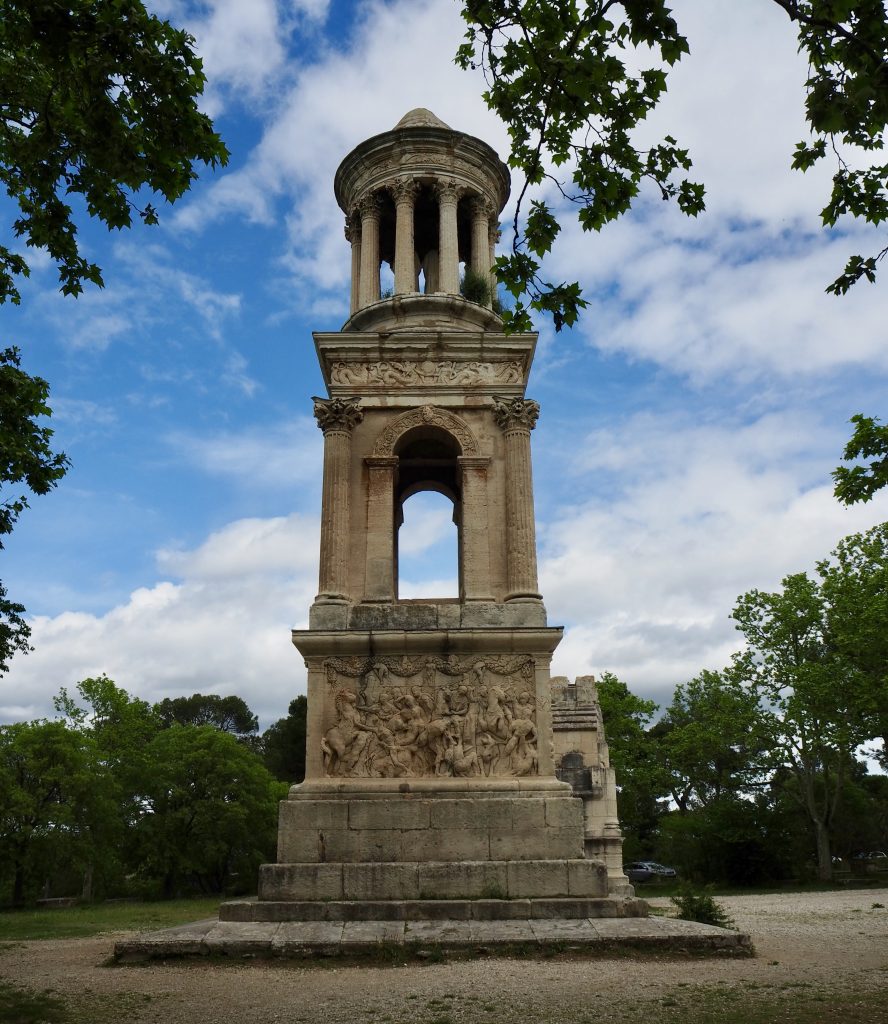
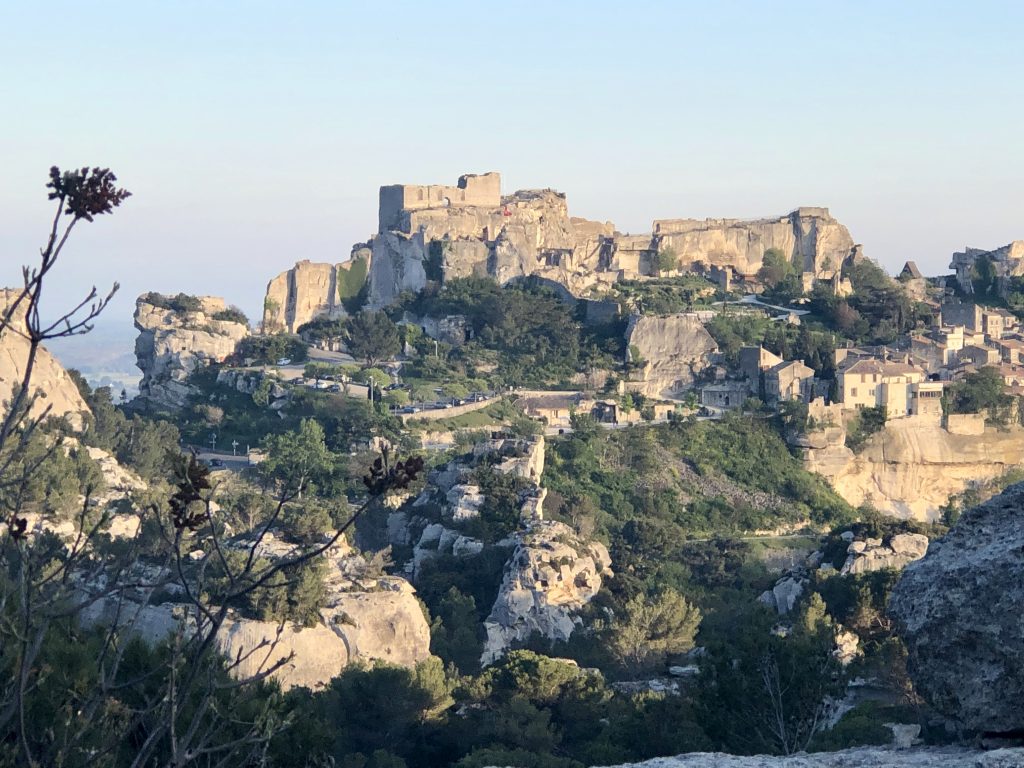
That history still matters. Provence today often feels:
- More open and immediately accessible
- Visually cohesive
- Very practiced at hospitality
It’s not that Provence is “touristy” in a negative sense — it’s simply very good at receiving visitors.
Why This Still Matters When You Travel
All of this history shows up in how the regions feel today.
Occitanie tends to open slowly.
Provence tends to welcome you right away.
Neither approach is better — but knowing which one suits you can completely change your experience.
Landscape Plays a Bigger Role Than You Might Think
The landscape shapes how people live, how far they travel for daily life, and how visitors move through a region.
Occitanie: Big, Varied, and Hard to Sum Up
Occitanie is vast. Mountains, vineyards, plains, coastline — it’s all there, but spread out. There’s no single image that defines the region, no one postcard view that everyone recognizes.
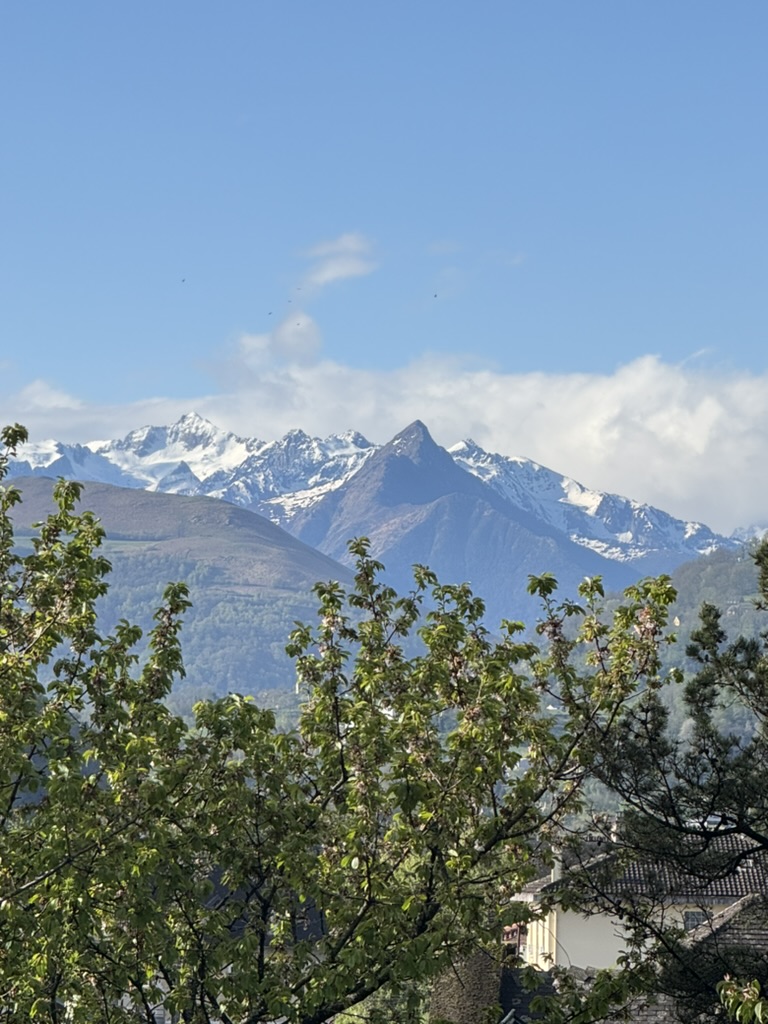
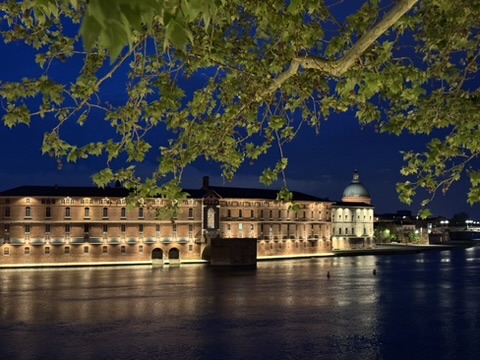
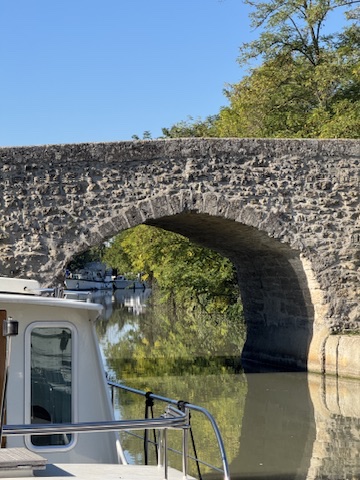
Because of that, Occitanie doesn’t lend itself to quick touring. It works best when you choose an area and settle in. Days feel less about ticking things off and more about letting small moments add up — a market visit, a quiet walk, a conversation you didn’t expect.
For travelers, this often means fewer crowds and more space — but also the need to slow down and let the region reveal itself.
Provence: Instantly Recognizable and Easy to Read
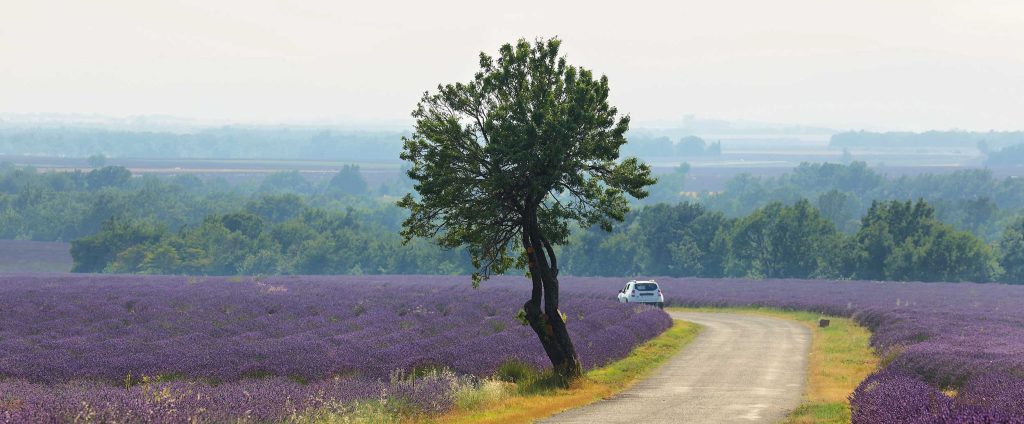
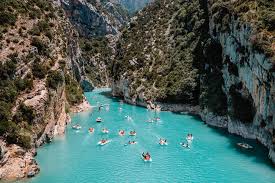
Provence, by contrast, has one of the strongest visual identities in France. Hilltop villages, lavender fields, olive groves — you know where you are almost immediately.
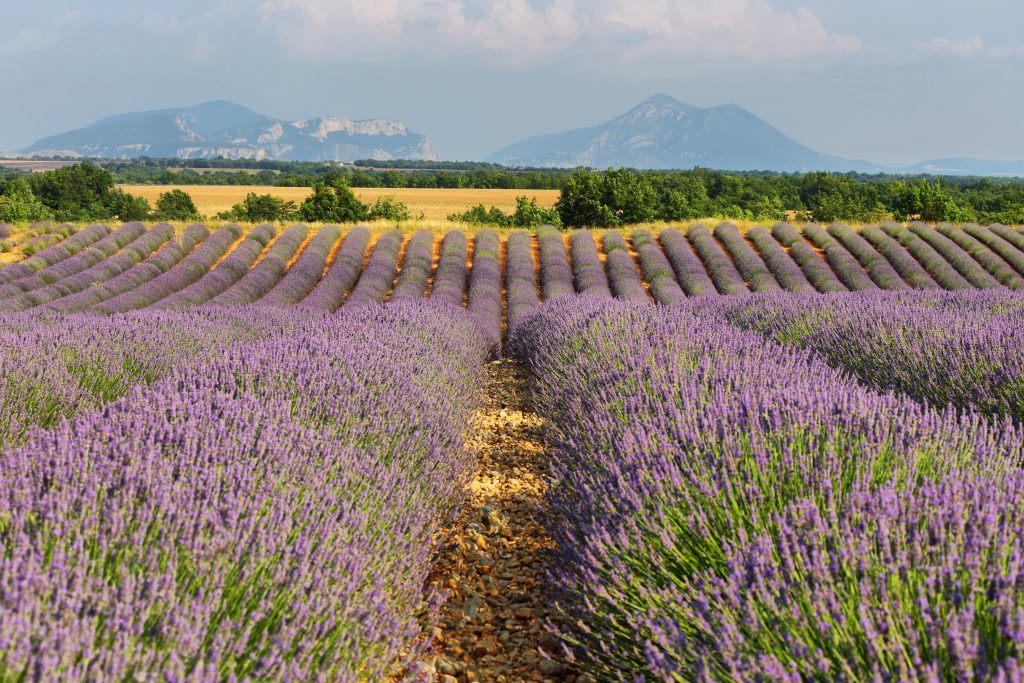
That familiarity is part of its charm. Provence feels approachable, even on a short visit. You don’t have to search hard for beauty — it’s right there.
The flip side is that many others are searching for it too. Popular places can feel busy, especially in high season, but the reward is a region that’s very easy to navigate and enjoy.
Same Sun, Different Pace of Life
Despite similar climates, Occitanie and Provence move at noticeably different speeds.
Everyday Life in Occitanie
In Occitanie, daily life still feels centered on residents. Markets, cafés, and village routines exist whether visitors are there or not.
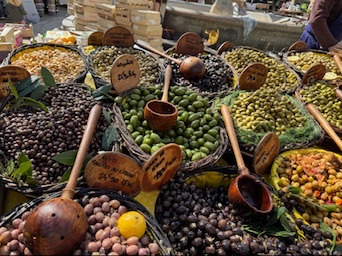
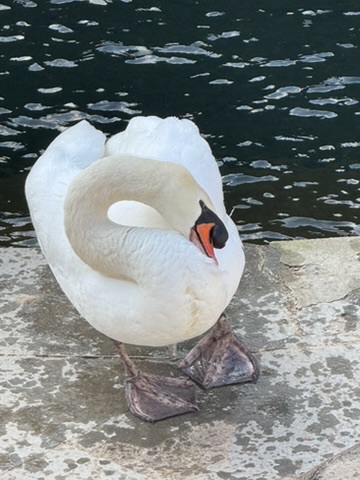
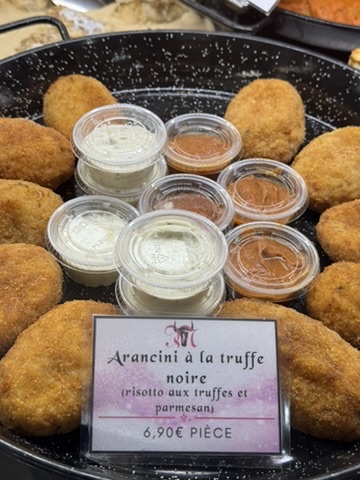
As a traveler, you may notice:
- Less seasonal pressure
- Fewer businesses built only for tourism
- A sense of stepping into ongoing life rather than a staged experience
It’s a region where you blend in more easily — especially if you’re willing to follow local rhythms.
Provence’s Seasonal Energy
Provence has a strong seasonal pulse. It knows how to welcome visitors, and many businesses adapt to the flow of tourism throughout the year.
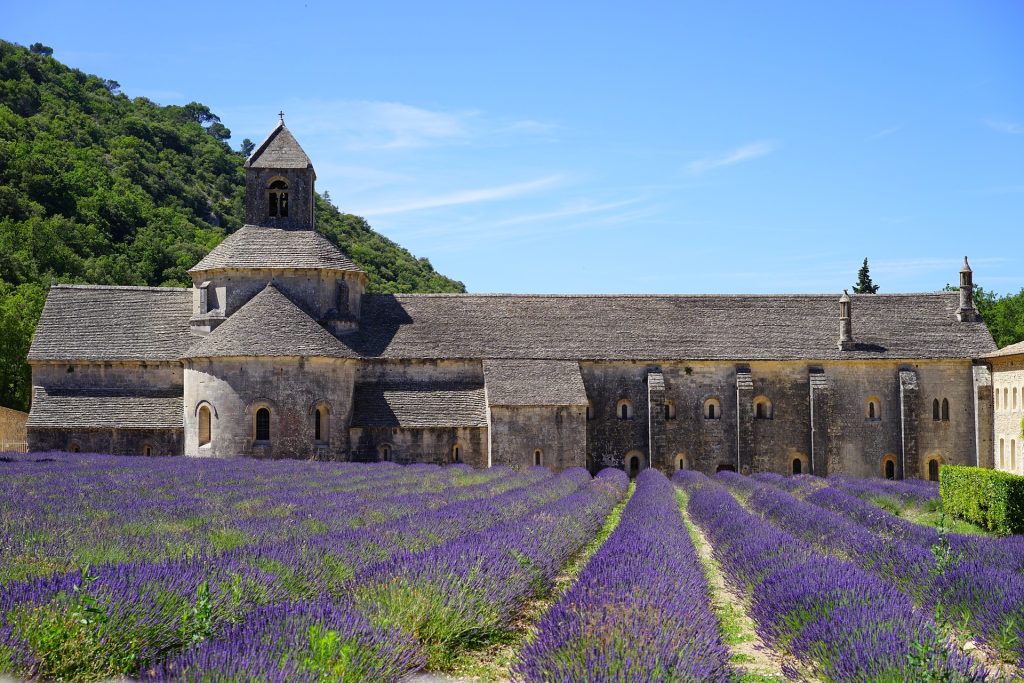
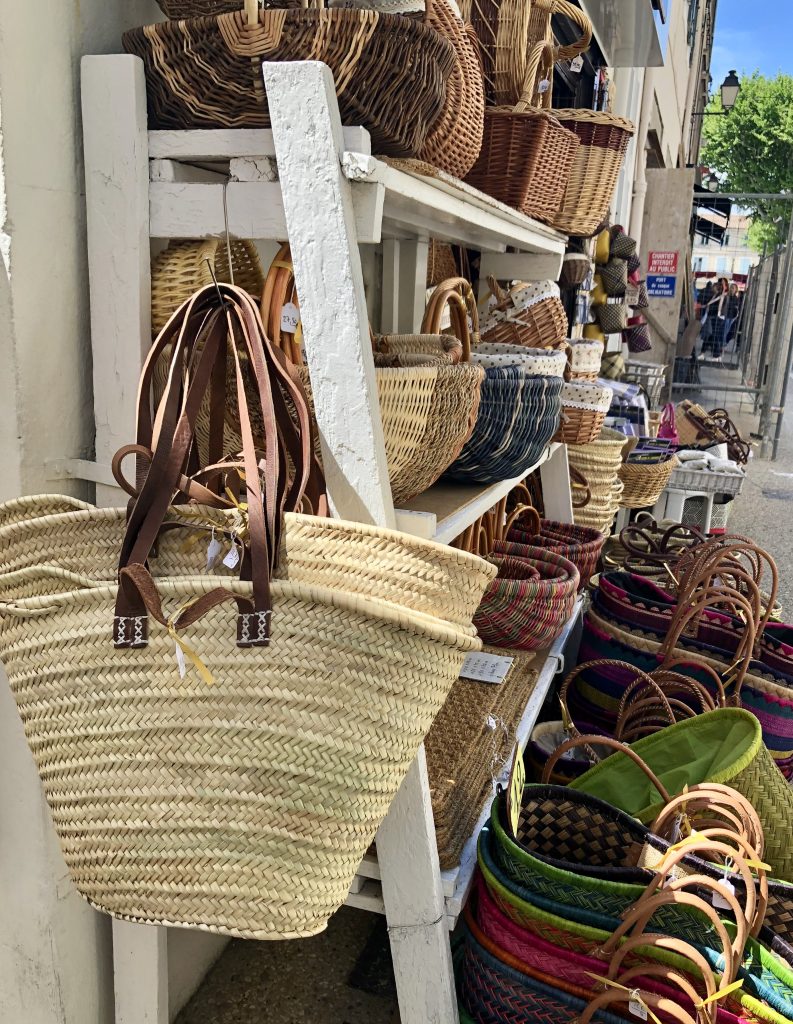
For travelers, this can be a real plus:
- Services are easy to find
- Hospitality is polished
- The experience feels smooth and intuitive
Timing matters more here, but when you visit at the right moment, Provence can feel vibrant and joyful.
What Food Quietly Reveals
Food is one of the simplest ways to understand a region — and one of the most revealing.
In Occitanie, meals often feel tied to tradition and agriculture. Dishes vary from one area to another, and food tends to be nourishing rather than performative. You eat what’s local, when it’s local, without much fuss.
Iconic Specialties of Occitanie
These dishes tend to be hearty, rural, and deeply tied to local history and agriculture.
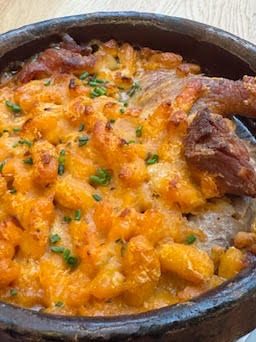
- Cassoulet
Slow-cooked white beans with duck or pork — rich, filling, and unapologetically rustic. A dish born of necessity, not fashion. - Magret de Canard
Duck breast cooked simply and confidently, reflecting Occitanie’s strong duck-farming tradition rather than restaurant trends. - Aligot
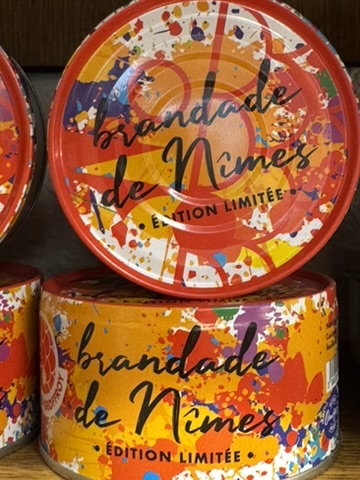
Mashed potatoes blended with melted cheese until stretchy and comforting — mountain food designed to sustain long days. - Brandade de Morue (Occitan version)
Salt cod with olive oil, often more robust and less refined than Mediterranean versions. - Fougasse or Regional Breads
Dense, local breads shaped by geography and tradition rather than presentation.
Food in Occitanie feels practical and grounding — meant to nourish daily life, not impress.
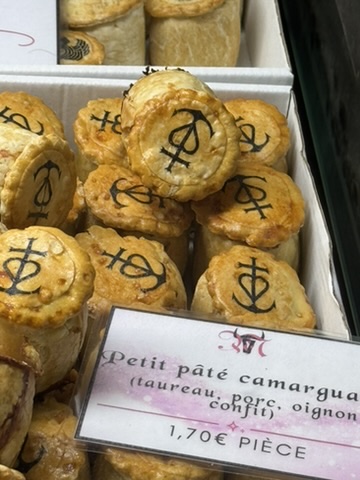
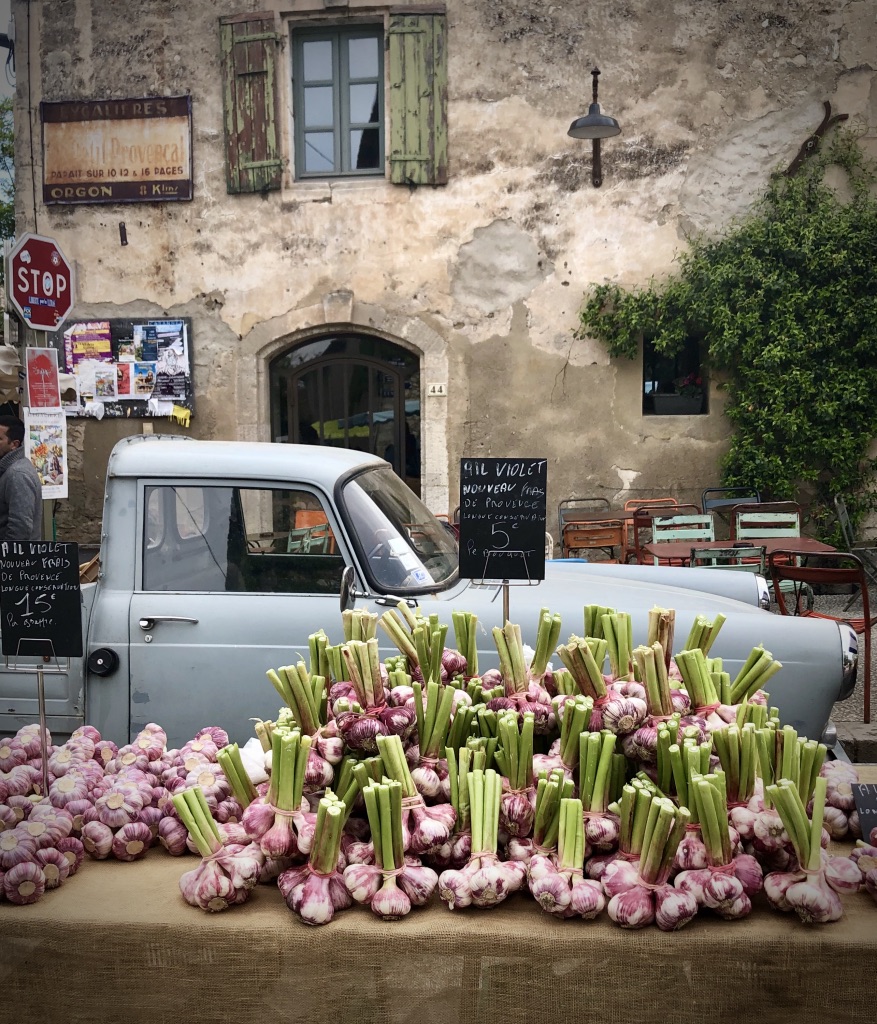
In Provence, food is more closely tied to a shared regional identity. Markets are colorful, ingredients are familiar, and meals often play a starring role in the travel experience.
Iconic Specialties of Provence
Provençal food is lighter, market-driven, and immediately recognizable.
- Ratatouille
A vegetable-forward dish rooted in Mediterranean growing cycles and summer abundance. - Bouillabaisse
A seafood stew that reflects Provence’s coastal identity and long relationship with trade and the sea. - Tapenade
Olive-based spreads that showcase the region’s olive oil culture and aperitif traditions. - Pissaladière
Onion tart with anchovies — salty, sweet, and deeply tied to Provençal markets. - Aïoli
Garlic-forward sauce served as a communal meal, reflecting both Mediterranean flavors and social dining.
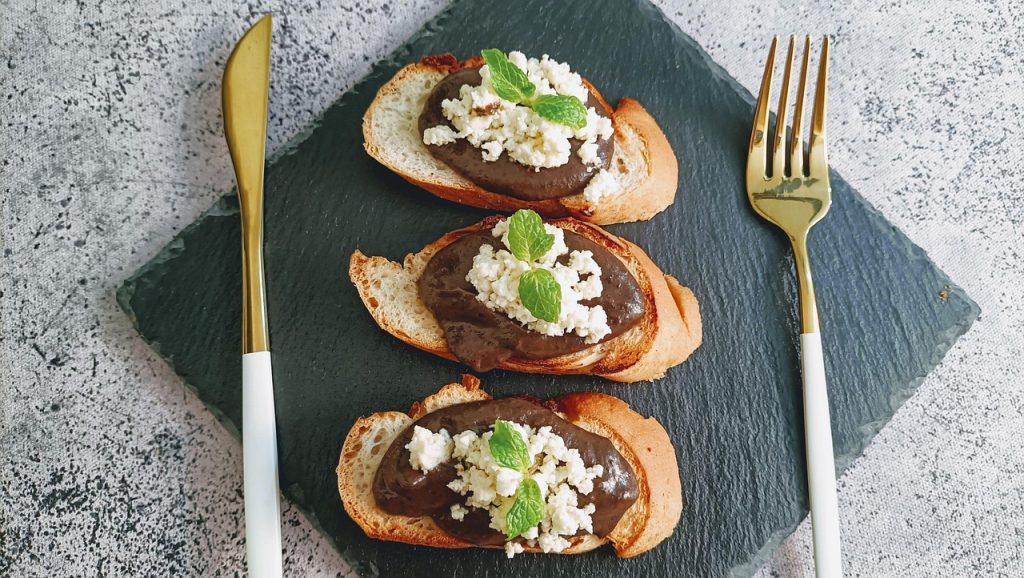
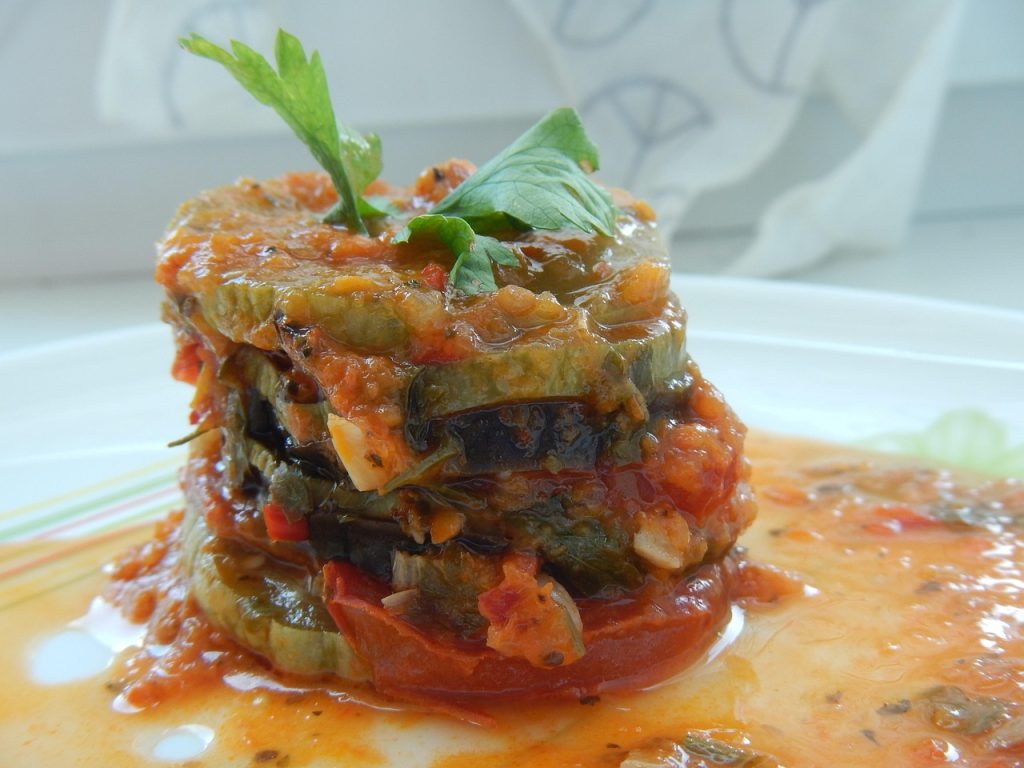

Both are wonderful — they just tell different stories about place.
Why Occitanie Is Often Misunderstood
Many travelers arrive in Occitanie expecting a quieter version of Provence. When they don’t find lavender fields or instantly recognizable scenery, they assume they’ve missed something.
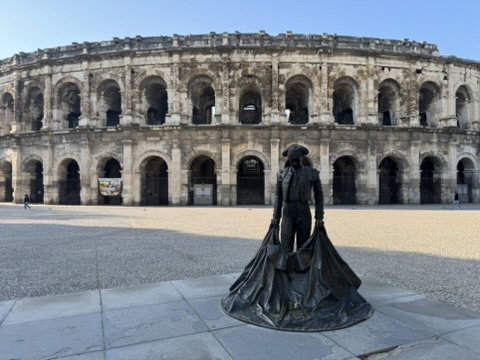
What they’ve missed isn’t a highlight — it’s context.
Occitanie doesn’t reveal itself quickly. It rewards curiosity, patience, and time. Those who slow down often leave feeling surprisingly connected — not because the region tries to impress, but because it doesn’t need to.
So… Occitanie vs Provence: Which One Is Right for You?
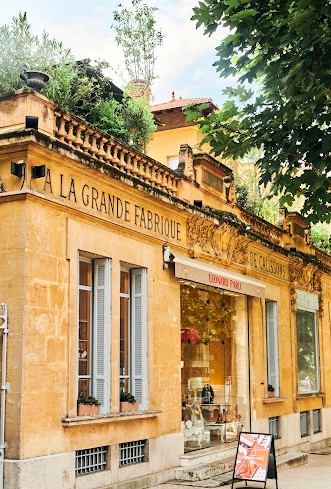
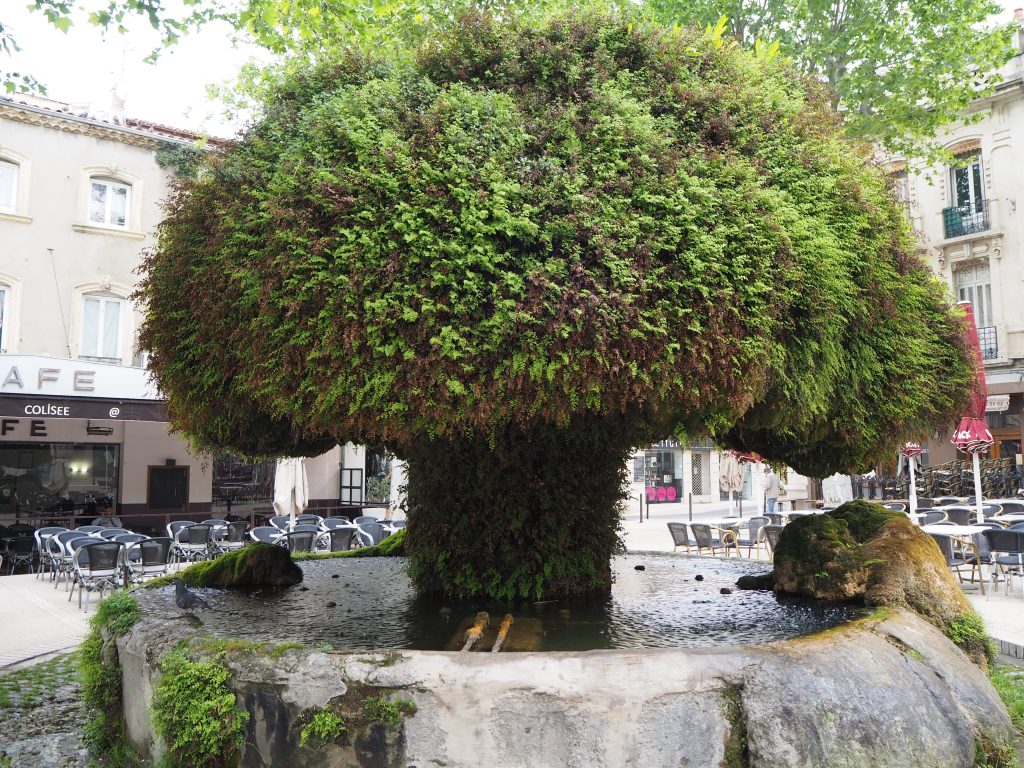
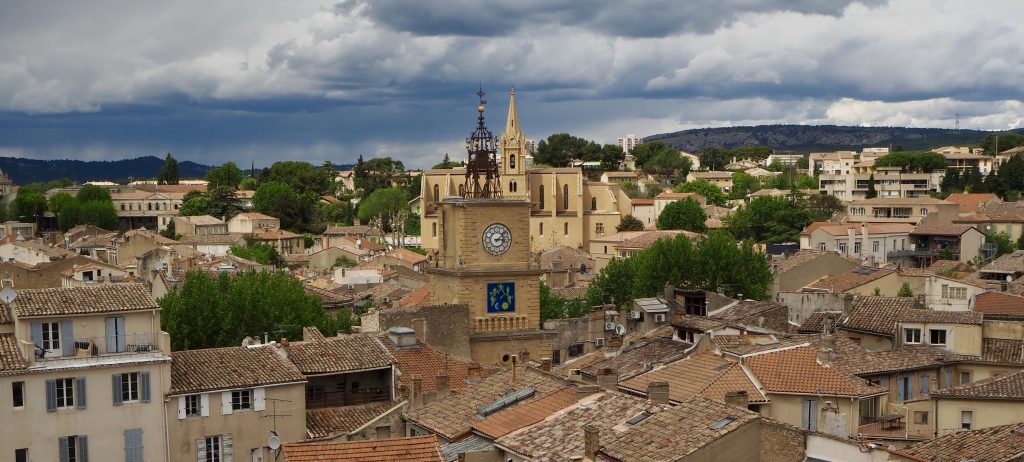
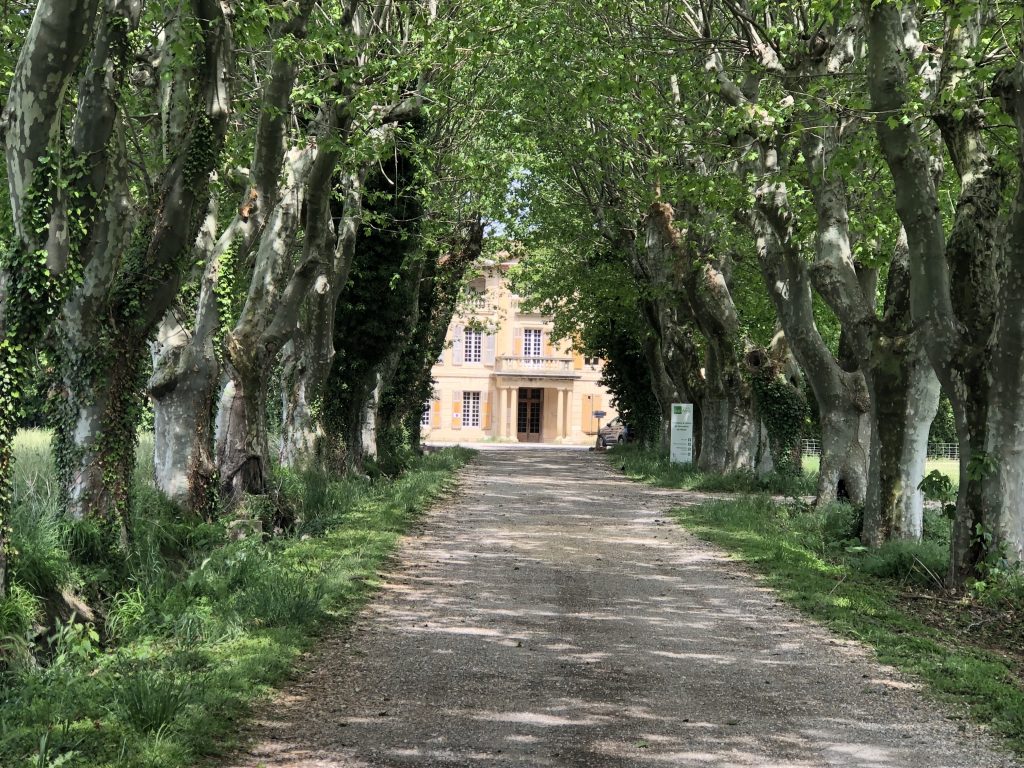
Provence might be your region if you:
- Love iconic scenery
- Enjoy beautiful and familiar landscapes
- Want an easy, polished travel experience
- Are short on time
Occitanie might be your region if you:
- Enjoy discovery more than recognition
- Prefer fewer crowds
- Are curious about regional identity
- Want to feel part of everyday life
Different Regions, Different Rewards
Occitanie and Provence sit close together on the map, but they were shaped by very different histories — and they offer very different travel experiences.
Provence welcomes you openly and immediately.
Occitanie asks you to linger.
Understanding that difference doesn’t just help you plan better — it helps you travel more deeply.
And that, in the end, is what French Detours is all about.