
When people think of French wines, chances are Bordeaux or Burgundy come to mind…
And rightly so! Burgundy wines are some of the most prestigious (and expensive!) in the world, and anyone who has heard of Bordeaux knows the names St Emilion and Margaux. But what if I told you that the largest wine producing region in France is actually Occitanie, formerly known as Languedoc-Roussillon? The vineyards in this region cover more than 740,000 acres, three times more than Bordeaux, and is the source of one in 10 bottles of the world’s wine and one in three bottles of French wine. Intruiged? Let’s take a stroll through the vast, sun-drenched, wildly diverse world of Languedoc wines.
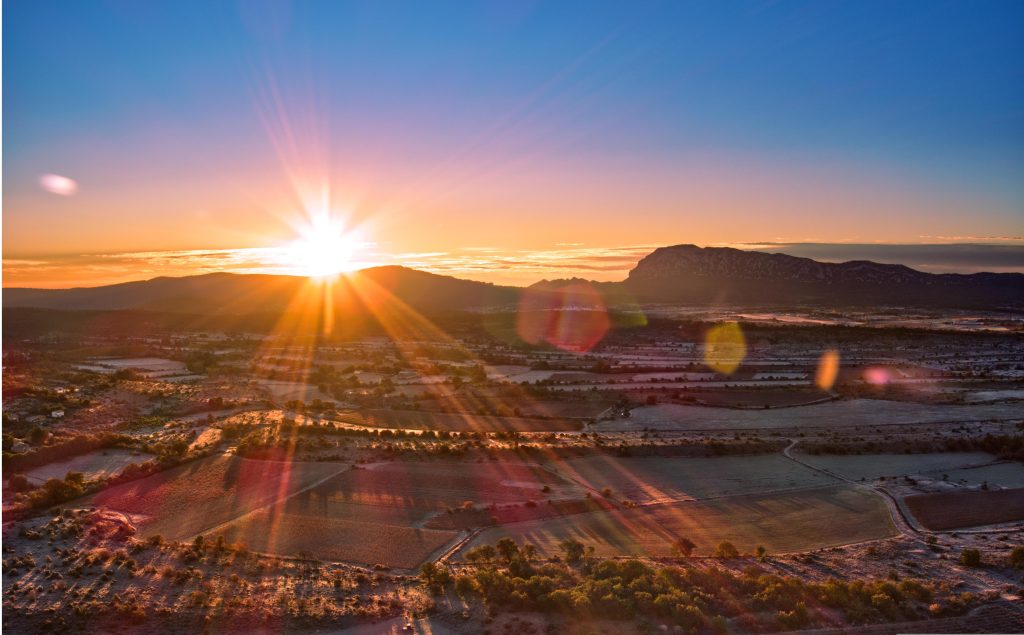
Where Exactly Is Languedoc? (And Why It Matters)
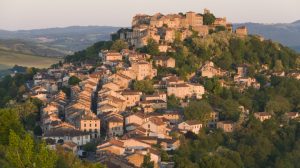
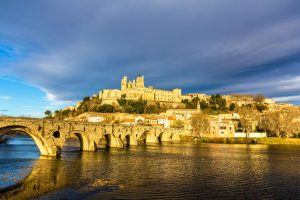
Situated just west of glamorous Provence, Languedoc (Occitanie) feels like the sister no one talks about—equally beautiful, but without the crowds, the hype, or the pressure to impress. Towns like Nîmes, Toulouse, Carcassonne and Perpignan favor authentic charm over the more polished Cannes and Nice.
Unpretentious and quietly confident, it has every right to brag—where a sun-soaked Mediterranean coastline gives way to rolling vineyards and hills that stretch toward the Pyrenees.
And it’s within this vast, sun-drenched landscape that some of France’s most approachable and exciting wines are being made. With over 300 days of sunshine, cooling coastal breezes and a patchwork of diverse soils, Languedoc offers the kind of natural conditions winemakers dream about. But what makes it so special isn’t just the setting—it’s the spirit. Here, wine still feels grounded, creative, and refreshingly unpretentious. The kind of wine you don’t need to study… just pour, sip, and enjoy.
So what should you actually be drinking here? Let’s start with a few wines—and places—that capture the heart of Languedoc.
What Makes Languedoc Wines so Special?
Part of what makes Languedoc wines so appealing is that they don’t try too hard. There’s a natural ease here—shaped by sunshine, sea air, and a landscape that seems to do most of the work on its own.
With over 300 days of sunshine each year, grapes ripen slowly and fully, developing rich, generous flavors. But this isn’t heavy, overdone wine. Cooling breezes from the Mediterranean—and the steady influence of winds like the Tramontane—help keep everything in balance, preserving freshness and structure.
And then there’s the land itself. Languedoc isn’t one uniform stretch of vineyards—the rocky hillsides are a patchwork of limestone, clay, and schist; each one subtly influencing what ends up in your glass. Drive just a short distance, and the wines begin to shift—sometimes in surprising ways.
You’ll often see blends here rather than single grape varieties—Grenache, Syrah, Carignan, Mourvèdre—working together in a way that feels both rustic and refined. Whites with festive names like Picpoul and Grenache Blanc bring a breath of fresh air, especially on warm, sun-filled days by the sea.
The Winds of Change
While Languedoc was once known for producing large volumes of simple table wine, that story has quietly changed. Over the past few decades, a new generation of winemakers has focused on quality, creativity, and a deeper expression of terroir. The result is a region that feels both grounded in tradition and yet wide open to possibility.
It’s this combination—sun, wind, soil, and a quietly evolving spirit—that makes Languedoc wines feel so different. Not intimidating. Not overly polished. Just honest, expressive, and meant to be enjoyed.
Key Languedoc Wines to Know
You don’t need to memorize a long list of appellations to enjoy Languedoc wines—but knowing a few names can make the experience feel a little more personal. These are the kinds of places you might spot on a wine list… or better yet, stumble upon while exploring the region itself.
Minervois
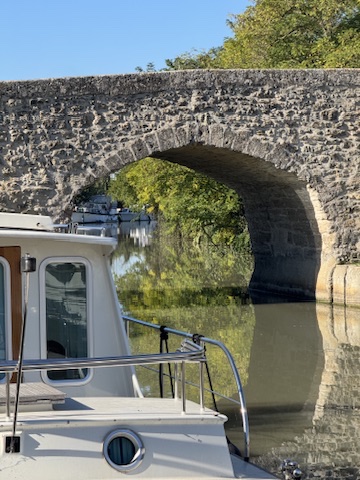
Tucked between the Canal du Midi and the foothills of the Montagne Noire, Minervois is known for its warm, rustic reds. Think dark fruit, herbs, and a hint of that wild, sunbaked landscape—what the French call garrigue.
Corbières
One of the largest appellations in Languedoc, Corbières feels a bit untamed—in the best possible way. The wines are bold and expressive, shaped by rugged terrain, strong winds, and plenty of sunshine.
Faugères
A little more under the radar, Faugères is loved for its elegance. The vineyards sit on schist soils, which bring a certain minerality and finesse to the wines—often a bit more refined, but still deeply rooted in place.
Picpoul de Pinet
If you’re sitting by the water with a plate of oysters, this is what you want in your glass. Picpoul is crisp, citrusy, and refreshing—often called the “lip-stinger” for its bright acidity.
Terrasses du Larzac
One of the rising stars of the region, Terrasses du Larzac benefits from cooler nights and higher elevations. The wines here are beautifully balanced—structured, complex, and quietly impressive.
You don’t need to seek these out with a checklist in hand. Part of the magic of Languedoc is in the discovery—ordering something unfamiliar, visiting a small domaine, or simply trusting a local recommendation and seeing where it leads.
Why Languedoc Is Perfect for Travelers (Not Just Wine Experts)
One of the things I love most about Languedoc is how approachable it feels—especially if you don’t consider yourself a “wine person.”
There’s no pressure to swirl perfectly or describe what you’re tasting with the right vocabulary. No one is testing your knowledge or expecting you to recognize obscure grape varieties. Instead, you’re invited in—often by the very people who grow the grapes—and encouraged to simply enjoy the experience.
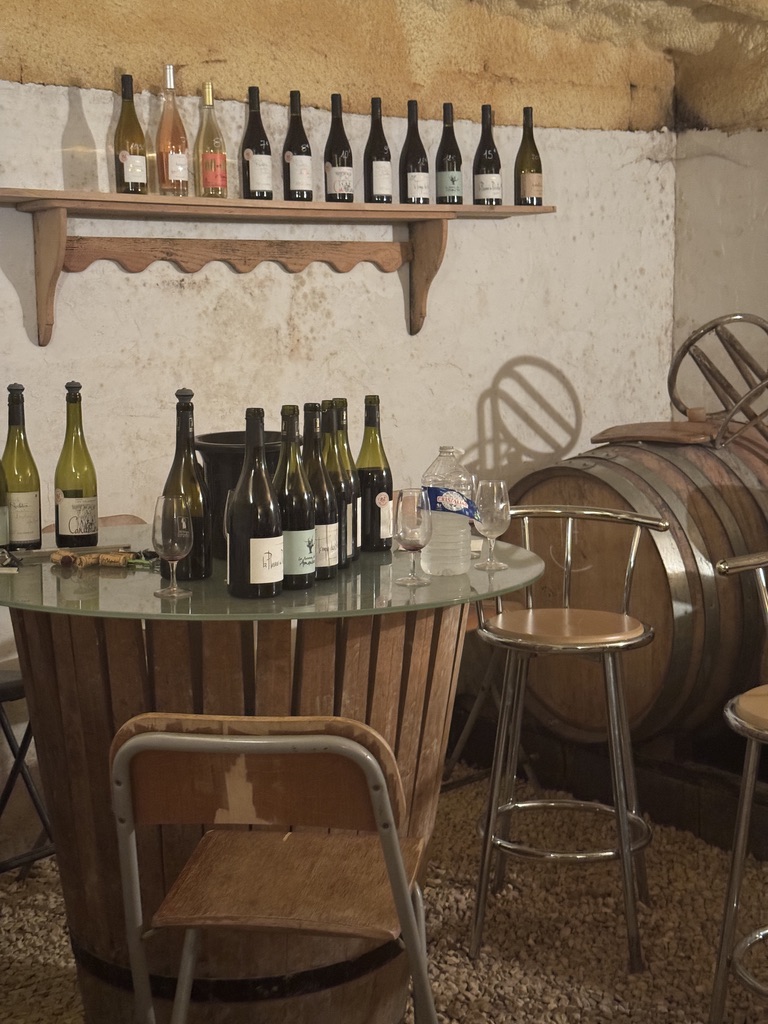
Many of the wineries here are small, family-run domaines, where tastings feel more like conversations than formal presentations. You might find yourself standing in a sunlit courtyard, chatting with a winemaker about the last harvest, or learning how a blend came together almost by instinct rather than strict tradition.
And then there’s everything that surrounds the wine.
A tasting in Languedoc rarely stands on its own—it’s part of a much larger rhythm of life. A morning at the market picking up fresh cheeses and olives. A long, lingering lunch under the shade of plane trees. A late afternoon drive through vineyards that seem to stretch endlessly toward the horizon.
This is a place where wine isn’t elevated onto a pedestal—it’s woven into everyday life.
And perhaps that’s what makes it so special for travelers. You don’t just taste Languedoc—you experience it. Slowly, naturally, and often in the most unexpected moments.
Domaine Terrasses de Gabrielle in Capestang
Olivier Pascal comes from a family of winemakers, but don’t expect a grand château or sweeping vineyard views. Olivier and his partner, Fabienne Los Huertos, craft their wines in a modest 50-square-meter garage—some tanks inside, others just outside, a small barrel cellar tucked into their living quarters, a mix of second-hand equipment alongside a few newer “toys.” And just like that, they get to work.
What they may lack in space, they more than make up for in charm and hospitality.
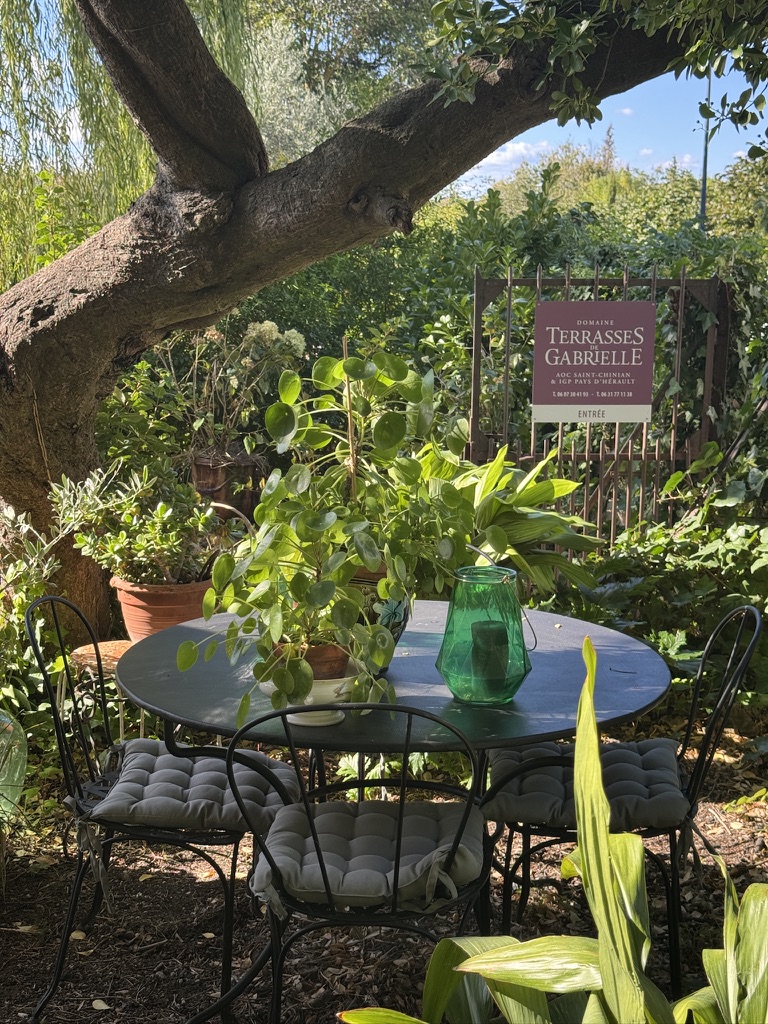
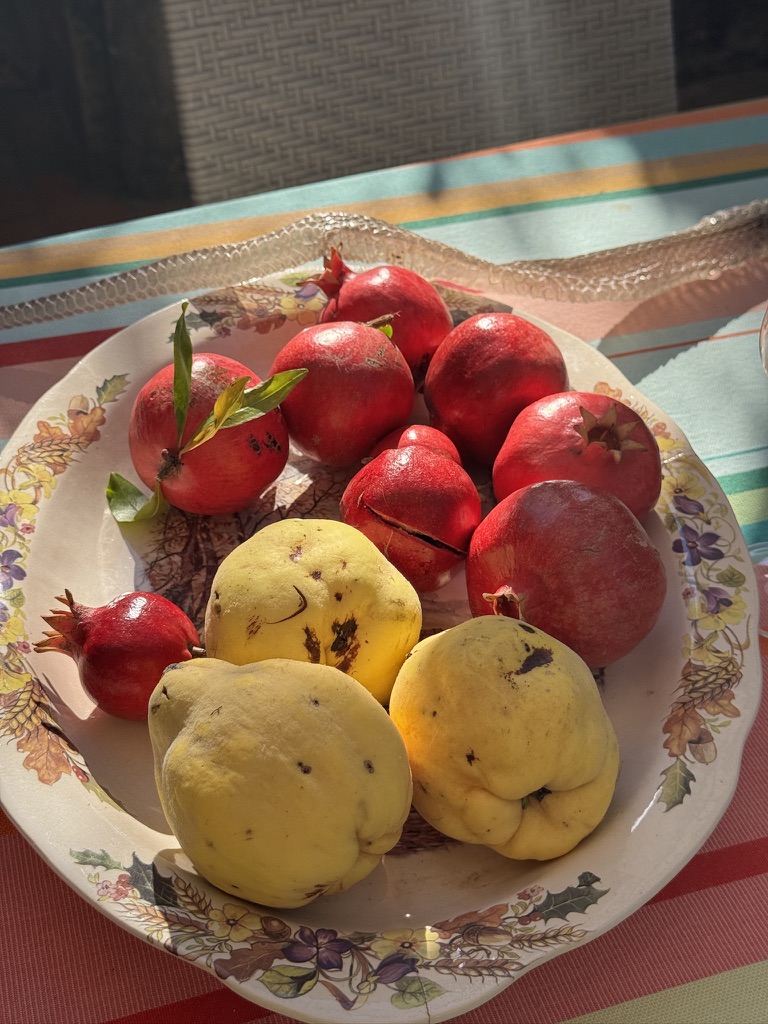
We meet Fabienne in a little hidden garden along the Canal du Midi. Tables are scattered beneath the trees, dressed in colorful cloths and adorned with lush greenery or bowls of fruit that look like they belong in a still life painting. Within moments of introductions, we’re talking as if we’ve known each other for years.
Soon, we’re invited inside to taste.
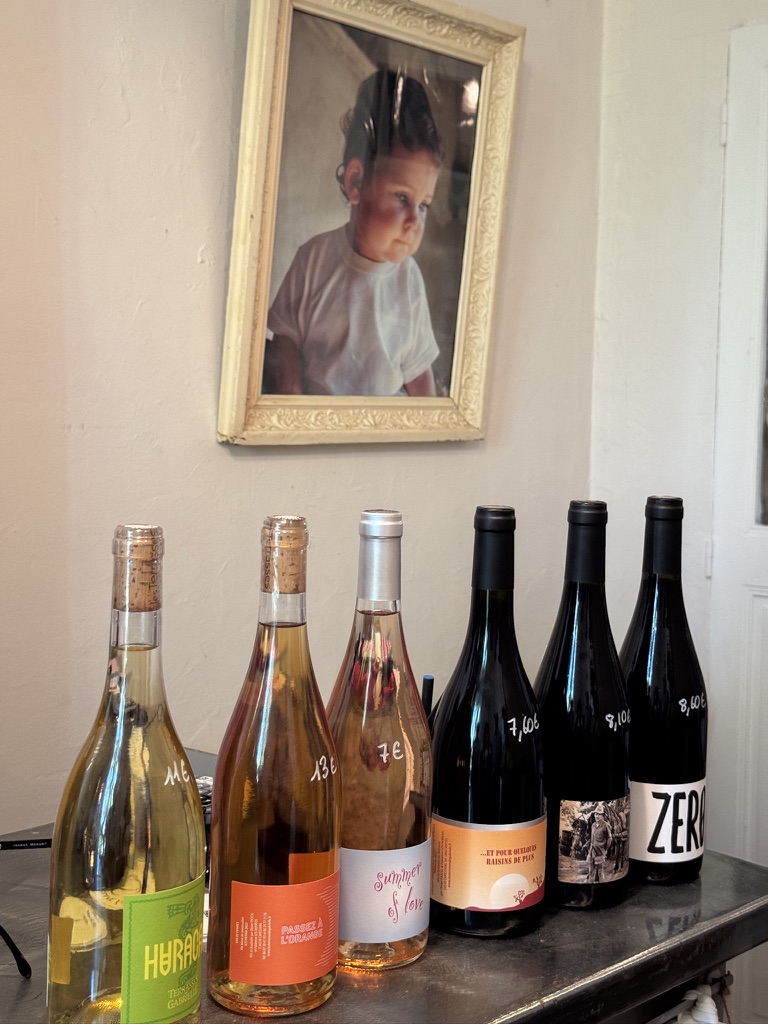
The tasting room quietly tells the story of the family—antiques placed with care, paying homage to Olivier’s mother, Gabrielle. The wines are displayed simply on a counter, beneath a portrait of their daughter, also named Gabrielle. Past and present, side by side.
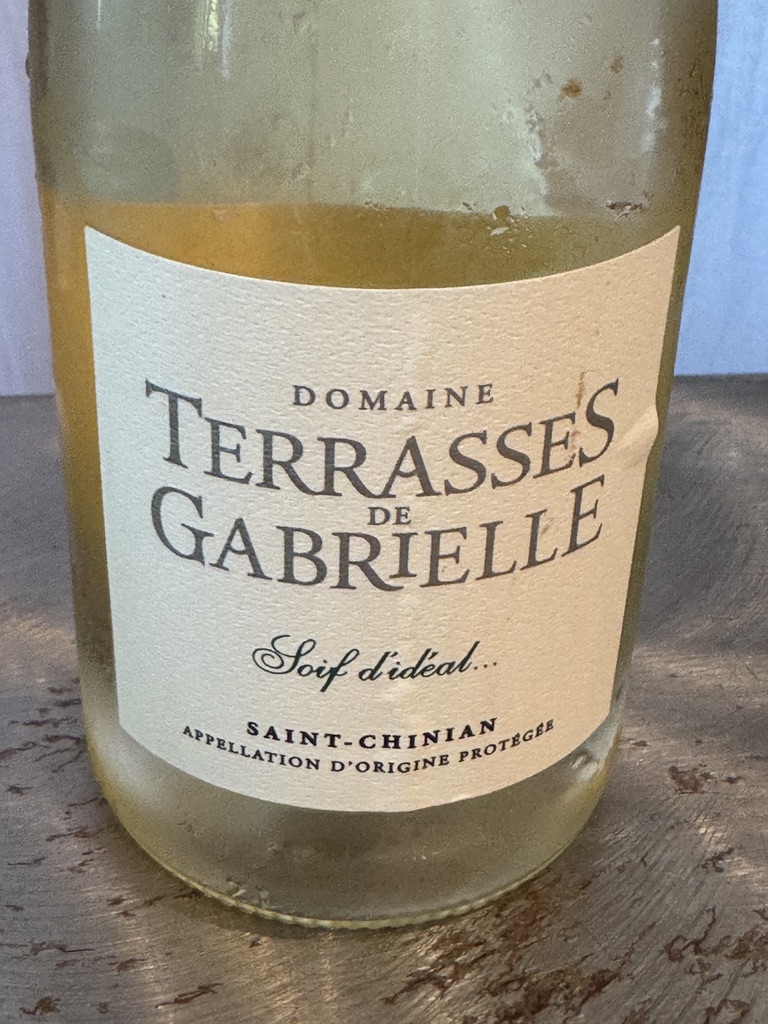
Even the names feel playful and full of personality—Soif d’Idéal (Thirst for the Ideal), Summer of Love. And the experience itself? It feels less like a formal tasting and more like sharing a bottle with friends – exactly as wine was meant to be.
Experiences like this are what make Languedoc so special—where wine isn’t just something you taste, but something you share, shaped as much by people as by place.
And yet, somehow, it still remains largely under the radar.
Why it’s Still Under the Radar
For a region that offers so much—beautiful landscapes, expressive wines, and deeply personal experiences—it’s surprising how little attention Languedoc still receives.
Part of it comes down to familiarity. Bordeaux and Burgundy have long held the spotlight, with names that feel instantly recognizable and easy to reach for. Provence, just next door, has perfected its image—sun-drenched villages, lavender fields, and rosé in hand. Languedoc, by comparison, has never quite fit into a single, tidy cliché.
And then there’s its past. For years, the region was associated with high-volume, everyday wines, and reputations like that tend to linger—even long after the reality has changed.
But perhaps the biggest reason is this: Languedoc hasn’t tried to reinvent itself for the spotlight.
It hasn’t polished away its edges or reshaped itself to meet expectations. It remains expansive, a little wild in places, and wonderfully diverse—more a collection of micro-regions than a single, easily defined destination. And that can make it harder to “package,” but infinitely more rewarding to explore.
For travelers, that’s part of the magic.
You don’t arrive with a checklist of must-see icons. You discover things as you go—a village that wasn’t on your itinerary, a wine you’ve never heard of, a conversation that lingers longer than expected.
And in a world where so much of travel feels curated and predictable, Languedoc still feels like a place you stumble upon… and can’t quite believe more people haven’t found yet.
How to Experience Languedoc Wines for Yourself
The best way to understand Languedoc wines is, of course, to taste them—ideally right where they’re made.
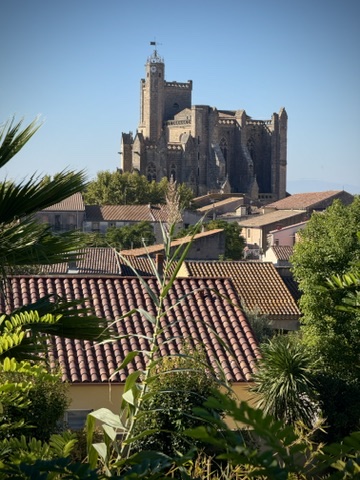
Spend a few days exploring the region, and you’ll quickly fall into its rhythm. A morning wandering through a village market, picking up fresh bread, cheeses, and olives. A leisurely lunch under the shade of plane trees. And somewhere in between, a stop at a small domaine where the tasting feels more like a conversation than an appointment.
There’s no single “right” way to do it here. You might follow the vineyards from the coast inland, pairing a crisp Picpoul with oysters by the water, then discovering deeper, more structured reds as the landscape begins to rise. Or you might base yourself in one place and let the days unfold naturally—one recommendation leading to the next.
And if you’re not planning a trip just yet, Languedoc is still wonderfully accessible from home. Look for bottles labeled Minervois, Corbières, or Faugères, and don’t be afraid to try a blend. These are wines made to be enjoyed, not analyzed—perfect for sharing over a relaxed dinner or with friends on a warm evening.
But if you do find yourself curious about experiencing it in person, this is exactly the kind of place I love to share. The hidden gardens, the small producers, the moments that don’t always make it into a guidebook.
Because Languedoc isn’t just about wine—it’s about discovering a different side of France. One that feels a little more personal, a little more spontaneous… and perhaps all the more memorable because of it.
Sometimes, the places we remember most aren’t the ones we planned to see—but the ones we felt lucky to find.